Twenty thousand ballots flagged by federal investigators are headed straight into the count.
Every court slammed the door, and control of the House could ride on California.
And Elena Kagan just pulled a stunning move on Trump’s ballot fight that has Democrats salivating.
As Swamp Digest reports:
One Justice Shut the Door Before Eight Others Got a Say
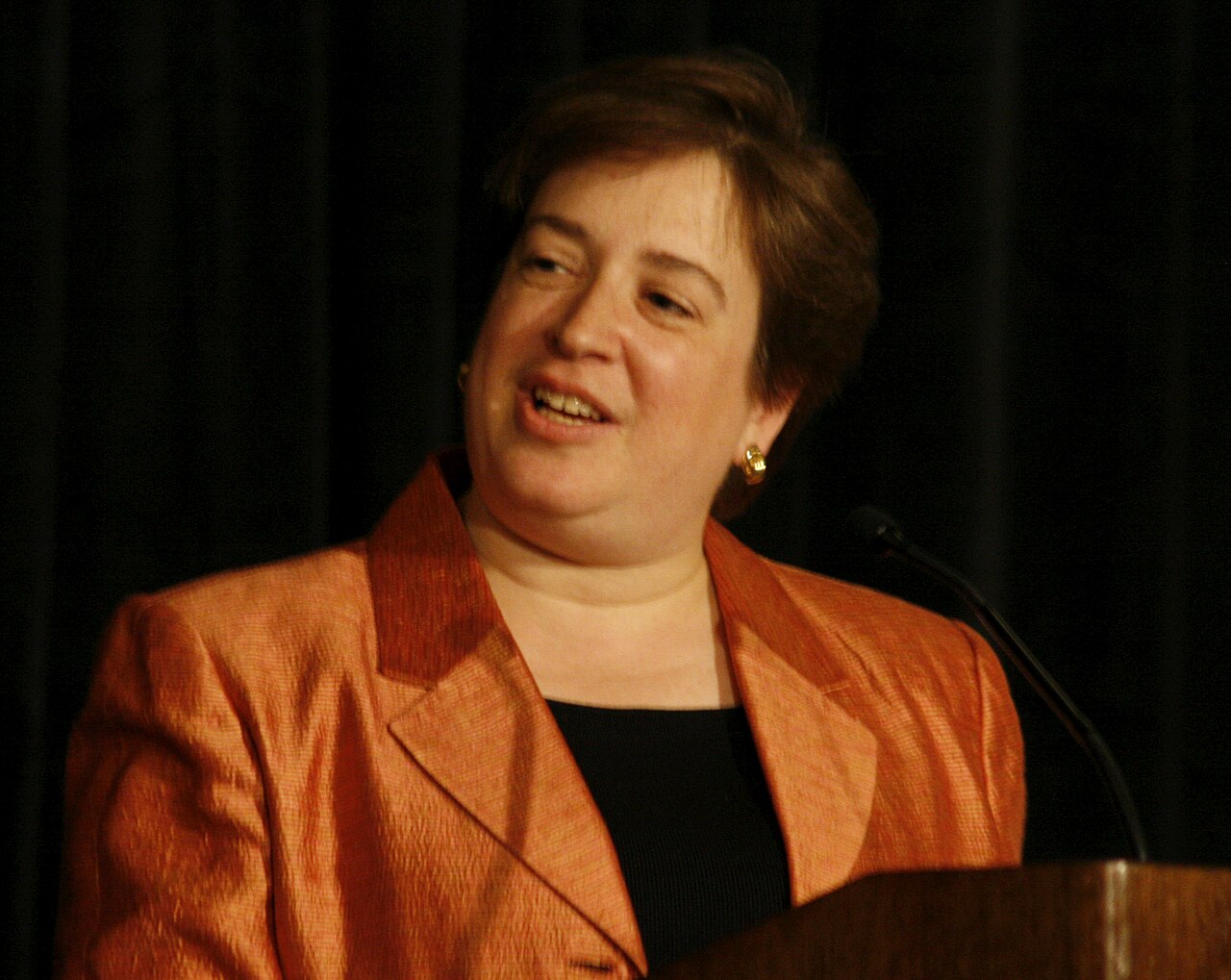
Justice Elena Kagan turned away the Trump administration’s emergency plea to keep more than 20,000 disputed California mail-in ballots out of the count while federal investigators check whether the voters behind them are American citizens.
She did it on the eve of the midterm elections, without a single word of explanation.
And she did it alone.
Kagan never referred the request to the other eight justices. As the justice assigned to the Ninth Circuit, which covers California, she gets the first crack at emergency appeals coming out of the West Coast. Supreme Court rules also let a circuit justice hand a weighty request to the full Court, and justices routinely do that when the stakes run high.
And Kagan kept this one in her own chambers.
Barack Obama put Kagan on the Court in 2010, after she served as his Solicitor General. Her vote on a request like this one surprised nobody. But her decision to make sure nobody else got a vote is another matter entirely.
Trump Asked to Pause 20,000 Ballots, Not Toss Them
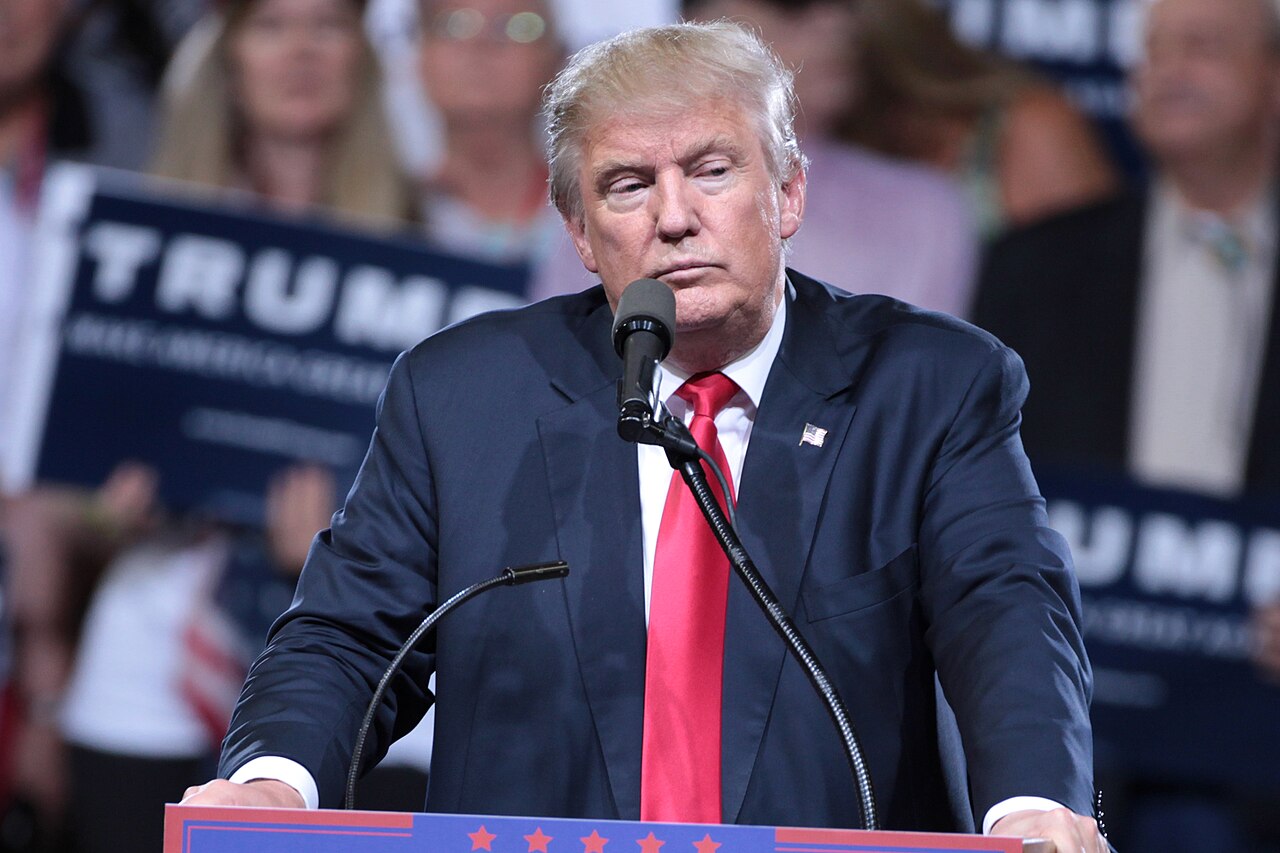
Donald Trump sued California on October 15, accusing state officials of blocking enforcement of the federal law that bars noncitizens from voting in federal elections. The lawsuit leaned on the Constitution’s Supremacy Clause, which puts federal law ahead of state law.
The demand itself was about as modest as election lawsuits get. Trump’s lawyers asked California to set the flagged ballots aside until investigators could confirm citizenship. And nobody wanted a single vote canceled or a single envelope shredded.
The Justice Department spelled out the danger in a court filing: “Once illegally cast ballots are counted and commingled with lawful votes, the resulting harm is impossible to remedy.”
California insists its safeguards against noncitizen voting work just fine. State officials claim the federal list may contain errors that could sweep up eligible voters. Attorney General Rob Bonta’s office keeps pointing out that the Department of Homeland Security flagged roughly 190,000 possible noncitizens on the rolls over the summer before federal investigators narrowed the list to about 20,000.
Somehow Sacramento treats a tighter, more careful list as proof the whole effort is bogus. Most folks would call that doing the homework.
But the court kept slamming doors. US District Judge David O. Carter turned down the request in Los Angeles. A Ninth Circuit panel followed suit, with Judge Patrick Bumatay dissenting and warning that California’s refusal to separate the ballots invites violations of federal law.
The Justice Department summed up its position in a statement after the appeals court ruling: “Federal law prohibits noncitizens from voting. Enforcing that law is not an agenda item. It is the Department’s job.”
Then came the pile-on. Hours after Kagan acted, Chief Judge James Boasberg in Washington, DC, the same judge who tangled with Trump over deportation flights in 2025, said the administration “likely” violated the Constitution by grabbing election duties that belong to the states and Congress. Boasberg slapped an injunction on the administration, barring it from making requests of California over its mail-in ballots.
Congress, for the record, wrote the law Trump wants enforced. The ban on noncitizens voting in federal elections came out of the Illegal Immigration Reform and Immigrant Responsibility Act of 1996, which Bill Clinton signed. Enforcing a statute Congress passed is a funny way to steal Congress’ job.
The Last Justice Who Went It Alone Lasted About Six Hours
California holds 52 House seats, more than any other state. Democrats need a net gain of four seats to grab the Speaker’s gavel. A fight over 20,000 ballots in that state isn’t a parking ticket.
Cases like that are exactly why the full court exists.
Maybe the other eight would have turned Trump down too. The justices let a lower-court block on the Postal Service’s mail ballot rule stand back in September. But nobody will ever know how they would have voted on this one, because Kagan never asked them.
And this comes from a justice who recently took a law school stage to complain that her conservative colleagues’ rulings damage American democracy. Apparently democracy holds up just fine when one Obama appointee settles a ballot fight by herself and leaves no explanation behind.
History has a lesson about lone justices. In the summer of 1973, Democrat Congresswoman Elizabeth Holtzman sued to stop Richard Nixon’s bombing of Cambodia. Justice Thurgood Marshall, the circuit justice, denied her request, so her lawyers carried it to Justice William O. Douglas at his summer cabin in Goose Prairie, Washington.
Douglas held a hearing in Yakima and ordered the bombing halted on August 3, 1973.
Marshall picked up the phone and polled the other seven justices. Within about six hours, he stayed Douglas’ order with their agreement. Douglas fumed that his colleagues had acted improperly.
The full Court didn’t much care. And one justice doesn’t get the last word when the rest of the bench sees it differently.
The same rulebook still applies. Supreme Court Rule 22 lets a party whose emergency request gets denied by one justice renew it with any other justice. The rule also warns that the Court disfavors renewed applications, and second tries rarely succeed.
But the clock works against anybody who tries. California mails a ballot to every registered voter and routinely takes weeks to finish its count. Every day those flagged ballots sit in the pile, they creep closer to the point of no return the Justice Department warned about.
The bipartisan 2005 Carter-Baker Commission, co-chaired by Jimmy Carter and James Baker, saw this coming two decades ago: “Absentee ballots remain the largest source of potential voter fraud.” A state that mails ballots to everyone on its rolls and then refuses to double-check 20,000 of them has made a choice.
The problem shows up in court filings, too. The Justice Department has charged about 90 people with election misconduct so far in 2026, according to the Associated Press, including roughly 50 accused of voting as noncitizens. Every one of them deserves a day in court, and none has been convicted on the strength of an accusation alone. Still, prosecutors don’t file 50 cases over a problem that doesn’t exist.
Expect Democrats to wave Kagan’s one-line denial around for years as proof that Washington has no business asking who votes in a federal election. The SAVE Act, which would require proof of citizenship to register, already sits stalled in Congress. One justice’s silence just handed its opponents a shiny new talking point.
So if one justice can settle a fight over 20,000 ballots without a word to her eight colleagues, who checks her work before the counting ends?
Sources: Fox News, “Supreme Court denies Trump admin request to reverse block on segregating 20K California ballots”; Associated Press via KSAT, “Appeals court rejects Justice Department request for California to set aside disputed ballots”; Associated Press via KMPH, “Trump administration sues California over mail-in ballots for alleged noncitizens”; Reuters via ThePrint, “US Justice Dept loses initial bid to block votes from alleged noncitizens in California”; FOX 11 Los Angeles, “Ninth Circuit dismisses Trump administration’s appeal over 20,000 California mail ballots”; California Attorney General press release, October 28, 2026; Supreme Court Rule 22; Schlesinger v Holtzman, 414 US 1321 (1973); Yakima Herald-Republic, “It happened here: William O Douglas orders halt to US bombing of Cambodia”; Just Security, “No, the Defense Department Did Not ‘Ignore’ a Judicial Order in 1973 Cambodia Bombing Case”